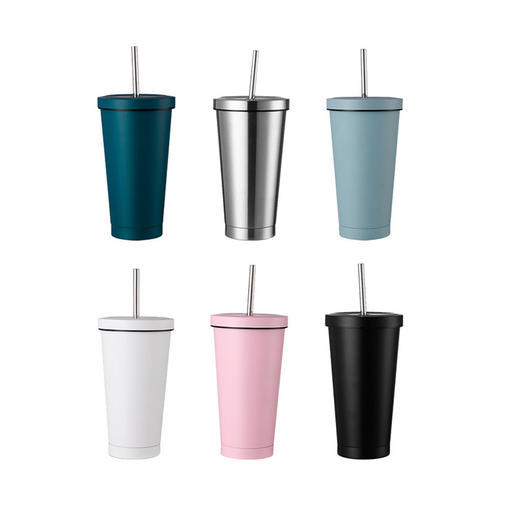
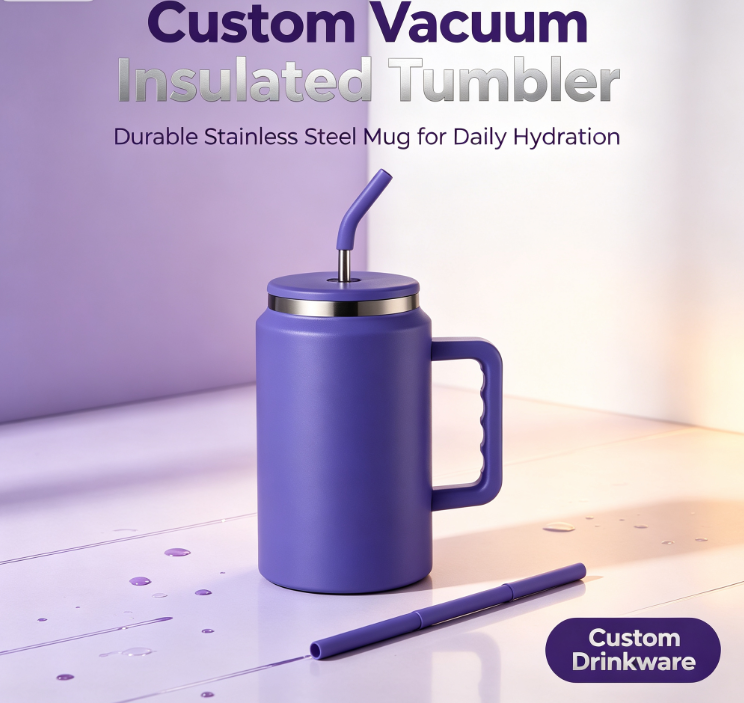
The 40oz Insulated Tumbler is now a familiar choice for people who need a larger drink capacity during commuting, travel, workouts, outdoor activities, or long days at work. For wholesalers, importers, retailers, promotional-product companies, and private-label brands, it also offers plenty of room for different product designs and customization.
But sourcing a 40oz tumbler involves more than checking whether it holds 40 ounces. The stainless steel, insulation structure, lid, straw, handle, coating, dimensions, packaging, and production consistency all deserve a closer look.
A sample can look fine on the table and still have problems once it is used every day. Leakage, loose lids, coating wear, poor insulation, or inconsistent colors may only show up after repeated use.
That is why it helps to review the specifications before placing a larger order. Here are the main points worth checking with the manufacturer.
Why 40oz Capacity Matters for Product Positioning
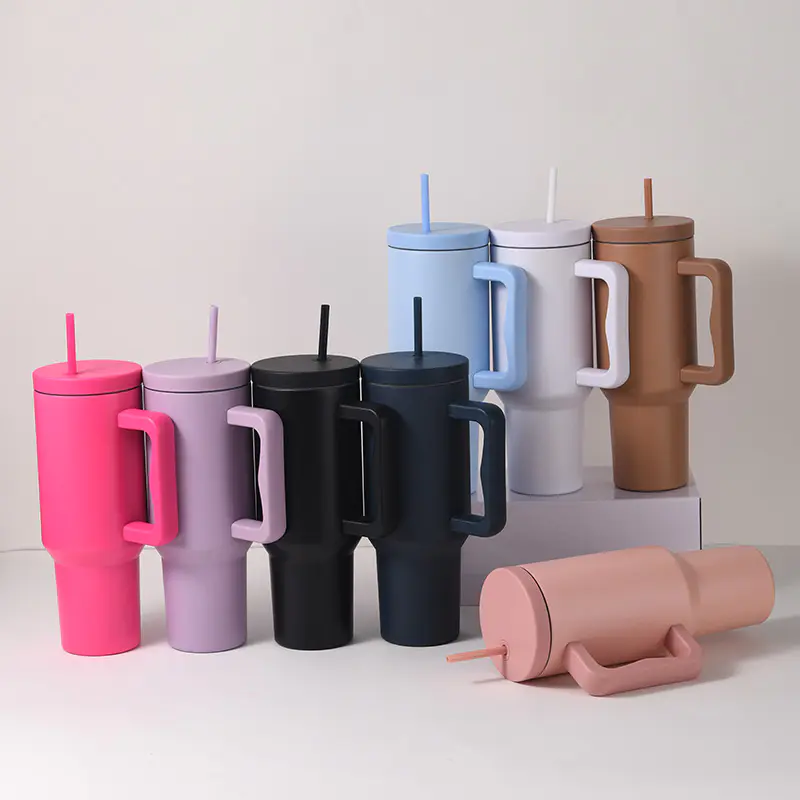
A 40oz tumbler gives users plenty of room for water, coffee, tea, or other drinks. It suits people who spend a long time away from home and don't want to keep refilling a smaller cup.
For B2B buyers, the capacity also says something about where the product may fit in the market.
| Target user |
Possible product focus |
| Office workers |
Large daily drink capacity |
| Travelers |
Handle and cup-holder compatibility |
| Fitness users |
Straw lid and easy drinking |
| Outdoor users |
Durable construction and carrying options |
| Promotional buyers |
Large branding area |
| Retail brands |
Color, finish, and packaging |
One detail is easy to miss: the stated capacity may not be the same as the amount users can actually fill. Ask the manufacturer for the measured internal capacity and the usable volume below the lid.
Stainless Steel Grade Should Be Clearly Specified
Most insulated tumblers use stainless steel for the inner and outer walls, but the grade and construction can vary from one supplier to another.
For drinkware, buyers usually need to consider food-contact suitability, corrosion resistance, durability, and the types of beverages the tumbler will be used for.
The manufacturer should be able to provide details about:
- Stainless steel grade
- Material thickness
- Inner wall construction
- Outer wall construction
- Food-contact documentation where applicable
- Welding and forming process
Simply describing a product as a "stainless steel tumbler" isn't enough for a serious purchasing specification. The actual material used in the production model should be confirmed.
Double-Wall Vacuum Insulation Affects Temperature Retention
Temperature retention is usually one of the main reasons customers choose an insulated tumbler.
A double-wall vacuum structure creates an insulating space between the inner and outer walls, reducing heat transfer compared with a single-wall cup.
Still, the insulation result doesn't come from the vacuum alone. Other details matter too:
- Vacuum quality
- Wall structure
- Material thickness
- Lid design
- Opening size
- Ambient temperature
- Starting beverage temperature
When comparing suppliers, buyers should ask how temperature retention is tested. How long was the test? What was the starting temperature? What was the surrounding temperature?
A defined test method makes supplier comparisons much more useful than a general claim about keeping drinks hot or cold.
Lid Design Can Affect the Whole User Experience
The lid is a small part of the tumbler, but it can cause a lot of problems if it isn't designed well.
A 40oz model may come with a straw lid, sliding lid, flip lid, screw lid, or another configuration depending on the intended market.
The lid should fit securely and make drinking convenient.
| Lid type |
Common application |
Key consideration |
| Straw lid |
Fitness, commuting, everyday use |
Straw position and sealing |
| Sliding lid |
Travel and office use |
Easy opening |
| Flip lid |
Outdoor and active use |
One-hand operation |
| Screw lid |
Selected travel applications |
Thread fit and sealing |
Don't test the lid by itself. Put it on the actual tumbler body and check the complete assembly. A small mismatch in threads, gasket placement, or sealing surfaces can create leakage that isn't obvious when the parts are inspected separately.
Leak Resistance Needs Practical Testing
Leakage is one of those problems that can quickly turn into customer complaints.
The stainless steel body may be perfectly fine while the leak actually comes from the lid, gasket, straw opening, or another connection point.
Before a bulk order, buyers can check:
- Upright leakage
- Side or tilted position
- Lid opening and closing
- Straw sealing
- Repeated use
- Gasket positioning
The test should match the actual lid design. A straw lid, for example, has different sealing points from a simple screw lid.
It's also worth asking how silicone gaskets are installed during production and whether their position is checked during assembly.
Straw Material and Design Should Be Reviewed
Many 40oz tumblers are sold with reusable straws, especially models aimed at fitness, commuting, and everyday use.
The straw needs to fit the lid properly and be suitable for the intended beverages. Length, diameter, flexibility, and cleaning are all worth checking.
A complete set may include:
- Straw
- Straw tip
- Cleaning brush
- Lid
- Silicone gasket
For private-label products, these accessories can sometimes be packaged or branded as part of the complete set.
The important thing is to test the straw with the finished lid. A good straw won't solve a poor lid fit, and an otherwise well-designed lid can still feel awkward if the straw sits at the wrong height or angle.
Handle Design Matters for a Large Tumbler
A filled 40oz tumbler can be fairly heavy simply because it contains more liquid.
That makes the handle more than just a visual feature.
The handle should stay firmly attached and provide a comfortable grip during normal carrying.
Buyers should inspect:
- Handle material
- Attachment method
- Grip size
- Joint strength
- Handle flexibility
- Weight-bearing capability
If the product is aimed at daily use, the handle should also be able to handle repeated carrying instead of only passing a quick sample inspection.
Base Diameter Can Affect Compatibility
A large tumbler may be used in cars, offices, gyms, or while traveling. Its dimensions can therefore matter almost as much as its capacity.
A wide base can create problems if the product is marketed as vehicle-friendly but doesn't fit common cup holders.
Before sourcing, confirm:
- Base diameter
- Overall height
- Maximum body diameter
- Handle width
- Lid height
This is particularly useful when the product is intended for commuting or road travel. Don't assume that every 40oz tumbler will fit the same cup-holder size.
Surface Finish Influences Appearance and Durability
The outside finish gives the tumbler much of its visual character.
Common options include:
- Powder coating
- Painted finish
- Brushed metal
- Polished metal
- Matte finish
- Textured coating
For B2B sourcing, appearance should be checked together with durability.
Tumblers are handled frequently. They may rub against bags, desks, car interiors, and other products, and they may be washed repeatedly. A finish that looks good on a new sample still needs to hold up under normal use.
Ask the supplier what coating process is used and whether adhesion or other relevant surface tests are available.
Color Consistency Matters for Branded Products
Color becomes particularly important when a tumbler is part of a private-label product line.
A brand may provide a specific color reference and expect future production runs to look the same. That can be harder to maintain than it sounds.
Final color can be affected by:
- Surface preparation
- Coating method
- Metal finish
- Production temperature
- Printing or decoration
For repeat orders, keeping an approved sample or color reference can give the manufacturer something concrete to work from.
Branding Options Can Add Value for B2B Buyers
The relatively large body of a 40oz Insulated Tumbler gives brands useful space for logos and artwork.
Depending on the supplier, possible decoration methods include:
- Laser engraving
- Screen printing
- UV printing
- Heat transfer
- Embossing
- Printed packaging
The suitable method depends on the artwork, surface, quantity, colors, and appearance required.
Before mass production, buyers should confirm the usable print area and, for important branding projects, review a physical decorated sample. Artwork that looks fine on a screen can look different once it is printed on a curved metal surface.
Packaging Should Be Considered Alongside the Product
A 40oz tumbler takes up more space than a smaller drinkware item, so packaging deserves attention during sourcing.
The packaging should protect the body from scratches and dents while also keeping the lid and accessories from moving around during shipping.
| Packaging factor |
Why it matters |
| Individual box |
Protects the tumbler |
| Inner protection |
Reduces surface damage |
| Carton size |
Influences shipping efficiency |
| Quantity per carton |
Helps inventory planning |
| Custom packaging |
Supports retail branding |
| Barcode labeling |
Useful for warehouse management |
For overseas buyers, carton dimensions and packing quantity can also affect freight and warehouse costs. It is worth getting those numbers before the final quotation is approved.
Cleaning and Dishwasher Requirements Need to Be Clear
A tumbler should be reasonably easy to clean, but not every model has the same cleaning requirements.
Buyers should find out whether the body, lid, straw, and accessories are suitable for hand washing, dishwasher cleaning, or a specific cleaning method.
Repeated exposure to hot water, high temperatures, and detergents may affect coatings, seals, printed graphics, or plastic components.
The final product should come with clear care instructions. Those instructions should match what the actual components can handle, not just what is convenient to print on the package.
Weight Is Important When Comparing 40oz Tumblers
Capacity isn't the only number that affects portability.
The empty weight depends on stainless steel thickness, vacuum construction, handle design, lid, straw, and other parts.
A lighter tumbler may be easier to carry, while a heavier construction may give a different feel in the hand. Neither number should be considered on its own.
When comparing products, buyers should record both empty weight and overall dimensions. This is especially useful when developing several sizes within the same product range.
What Should B2B Buyers Ask a Tumbler Manufacturer?
A simple supplier checklist can make conversations much clearer.
| Question |
What to confirm |
| What stainless steel grade is used? |
Material suitability |
| How is the vacuum insulation produced? |
Insulation construction |
| What temperature-retention test is used? |
Performance comparison |
| Which lid designs are available? |
Market and use-case fit |
| How is leakage tested? |
Sealing reliability |
| What straw materials are used? |
Product safety and durability |
| Is the handle reinforced? |
Load and carrying performance |
| What coating options are available? |
Appearance and durability |
| Can colors and logos be customized? |
Private-label requirements |
| What is the MOQ and lead time? |
Purchasing planning |
Where possible, ask the supplier to support technical claims with specifications, test results, or samples.
Testing Samples Before Bulk Production
A physical sample is still one of the most useful tools in B2B drinkware sourcing.
Instead of checking only appearance, buyers can test:
- Capacity
- Weight
- Lid fit
- Leakage
- Insulation
- Straw usability
- Handle strength
- Surface finish
- Overall dimensions
- Cleaning convenience
For a larger retail program, checking several samples can also show whether there are differences between units.
Once the product is approved, keeping that sample as a production reference can make future quality checks much easier.
Customization Options for Private-Label Projects
Manufacturers may offer different levels of customization depending on their tooling and production setup.
Possible changes include:
- Tumbler dimensions
- Capacity
- Lid style
- Straw
- Handle
- Color
- Surface finish
- Logo
- Packaging
- Accessories
Changing a logo or coating color is usually a different project from developing a completely new tumbler body. New shapes may require tooling, while simpler changes may not.
Before development starts, buyers should confirm tooling charges, MOQ, sample costs, production lead time, and who owns any custom molds.
Quality Control Is Important for Repeat Orders
A bulk order isn't just about getting one good sample. Every unit needs to stay close to the agreed specification.
Quality checks may include:
- Dimension inspection
- Capacity checks
- Surface inspection
- Leakage testing
- Lid fitting
- Vacuum or insulation testing
- Handle inspection
- Printing inspection
- Packaging checks
The inspection plan should be based on the actual product requirements.
For distributors and retailers, consistency matters because a few noticeably different units can lead to returns, customer complaints, or extra sorting work in the warehouse.
Choosing a 40oz Insulated Tumbler for Different Markets
Not every 40oz tumbler needs to be built or presented in the same way.
An office-focused model may need a simple appearance and easy cleaning. A fitness-oriented product may put more attention on the straw lid and handle. An outdoor version may need a tougher exterior and stronger carrying components.
Defining the target customer before discussing specifications with the manufacturer can save quite a bit of back-and-forth.
A Practical Sourcing Checklist
Before placing an order, buyers should confirm:
Capacity: Is the actual usable volume close to the stated specification?
Material: Is the stainless steel grade clearly identified?
Insulation: Has temperature retention been tested under defined conditions?
Lid: Does the lid fit securely and resist leakage?
Accessories: Are the straw, gasket, and handle suitable for repeated use?
Finish: Can the coating or surface treatment handle normal use?
Branding: Can the supplier reproduce the approved artwork consistently?
Packaging: Is the product protected during transportation?
Supply: Can the manufacturer keep the same specifications on repeat orders?
Building a Reliable B2B Specification
Sourcing a 40oz Insulated Tumbler starts with understanding where the product will be used and who will buy it.
Capacity, stainless steel grade, vacuum insulation, lid design, straw, handle, dimensions, surface finish, branding, packaging, and quality control all affect the finished product.
For wholesalers, retailers, importers, and private-label brands, sample testing is especially useful. Checking leakage, dimensions, insulation, handling, and surface quality before mass production can uncover problems that a product listing or factory photo won't show.
A manufacturer that can provide clear specifications, samples, customization options, and consistent production makes the sourcing process easier to manage. And for a B2B buyer, that practical consistency often matters just as much as how the tumbler looks when it comes out of the box.
 +86-579-87217855
 ykdc@dingchuncup.com




 +86-579-87217855
 ykdc@dingchuncup.com
 +86-579-87217600
 No.169 Yingbin Avenue, Industrial function zone, Xiangzhu Town, Yongkang Zhejiang, China.
 English
 Español
 عربى
عربى