 +86-579-87217855
 ykdc@dingchuncup.com
Choose Responsibility Choose Dingchun
-BSCI Certified S/S Tumbler


-BSCI Certified S/S Tumbler
Nov 20,2026
A logo that looks sharp on a computer screen does not always produce the same result on a glass mug. The glass may be slightly curved, the handle may limit the available printing area, and certain colors can look different once applied to a transparent surface. These details are easy to overlook when developing a private label product, but they can affect the appearance of an entire production batch.
A Glass Mug Factory needs to consider the mug's shape, glass material and printing process before starting customization. Screen printing, decals, UV printing and etching all offer different results. The choice usually comes down to the artwork, order quantity, expected use and available production budget.
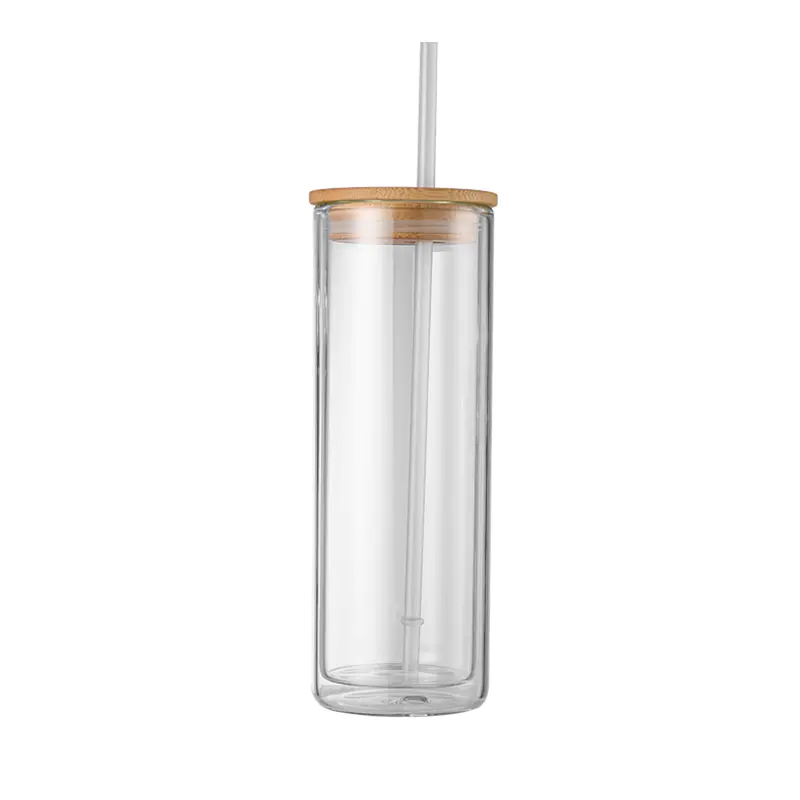
Screen Printing, Decals or UV Printing?
The printing method should be decided after examining the logo, not simply by choosing the cheapest option on a supplier's price list.
Screen printing is commonly used for logos with solid colors and relatively simple designs. Ink passes through a prepared screen onto the glass. Each additional color may require another screen and printing operation. Once the setup is complete, the process works well for repeat orders with consistent artwork.
Decal printing is useful when a design contains fine details, several colors or graphic elements that are difficult to reproduce through ordinary screen printing. The printed transfer is applied to the glass and then processed according to the required firing or curing method. The factory must check that the decal material is compatible with the glass and intended production process.
UV printing applies ink directly to the glass, where ultraviolet light cures it. It allows multicolor artwork and detailed designs without preparing a separate screen for each color. However, adhesion and resistance to abrasion depend on the ink formulation, surface preparation and curing conditions.
Etching and frosting create a different effect. Instead of adding a conventional printed image, these processes modify the glass surface to produce a frosted or textured appearance. They are often used for simple logos, lettering and understated branding.
A one-color company logo may work perfectly well with screen printing. A detailed illustration intended for a premium gift mug may call for decals instead. There is little benefit in paying for a complicated printing process when a simpler method can reproduce the design accurately.
Artwork Preparation Before Printing
Factories need usable source files before they can prepare screens, transfers or printing layouts. A small JPEG copied from a website may look acceptable on a monitor but become blurred when enlarged.
Vector files such as AI, EPS and editable PDF are generally preferred. They allow the artwork to be resized without losing the sharpness of its outlines.
The buyer should also provide the actual printing dimensions rather than asking the factory to estimate them. Important details include:
A digital mockup helps establish the general layout. It does not show exactly how ink or a decal will look on transparent glass, so a physical sample remains necessary.
The Shape of the Mug Changes the Printing Process
A straight-sided glass mug usually provides a relatively convenient printing surface. Curved and tapered mugs require more attention because the artwork can appear distorted if it is positioned incorrectly.
Handled beer mugs present another restriction. The handle occupies part of the available circumference, and the logo needs enough clearance to remain visible when someone holds the mug.
Double-wall glass mugs also require a separate assessment. Their construction affects the available decoration surface, and the selected process must suit the actual outer wall.
Before confirming the design, the factory should check the printable area, glass curvature and distance from the handle. Fixtures may be needed to hold cylindrical mugs in a consistent position during printing. Without proper positioning, logos can appear at different heights or angles across the same batch.
Comparing Decoration Methods
| Method | Main advantage | Production consideration | Typical use |
|---|---|---|---|
| Screen printing | Efficient for repeated designs | Screen preparation and color setup | Simple logos and bulk orders |
| Decal printing | Reproduces detailed artwork | Transfer compatibility and firing or curing | Multicolor graphics |
| UV printing | Flexible direct-to-glass customization | Ink adhesion and curing | Detailed designs and shorter runs |
| Etching | Creates a lasting surface effect | Limited color options | Minimalist branding |
| Frosting | Produces a translucent decorative finish | Requires consistent surface treatment | Gift and promotional mugs |
Buyers should ask for samples when choosing between these processes. A printed logo viewed on a computer cannot fully represent its color, texture or finish on an actual glass mug.
Testing Printing Durability and Food Safety
A decorated mug may look excellent when new but develop scratches, fading or peeling after repeated use. The factory should establish testing requirements according to how the finished product will be used.
Adhesion and abrasion checks help identify whether the decoration withstands ordinary handling. For mugs sold as dishwasher-safe, repeated washing tests should be conducted under defined conditions. Color consistency also needs attention, especially when the same brand logo appears on several mug sizes.
Food-contact requirements are equally important. Printing near the drinking rim or on the inner surface can introduce additional compliance concerns. Buyers should request documentation for the decorative materials and confirm that they meet the requirements of the intended sales market.
A glass body suitable for food and beverage use does not automatically make every ink, coating or decal suitable for the same application.
From Sample Approval to Mass Production
Once the artwork and printing method are agreed upon, the factory can prepare a decorated sample. This is where buyers should check details that are difficult to assess from digital artwork alone.
Look at the logo's position in relation to the handle, its size when viewed from different angles and whether the color matches the approved reference. Check the printed edges for uneven coverage, blurred details or visible defects.
After approval, the factory should retain a reference sample and use the confirmed specifications during production. For repeat orders, this provides a useful comparison when checking changes in color, placement or decoration quality.
What Makes Up the Custom Printing Cost?
The printing charge is only one part of a private label quotation. Screen preparation, decal production, artwork adjustment and sample development may involve separate expenses.
Order quantity also matters. Screen printing involves initial setup work, so larger repeat orders can make the process more economical per mug. Detailed artwork, multiple colors, metallic effects and printing on several positions can increase the production cost.
Ask the factory to itemize the mug price, decoration charge, setup fee, sample cost, customized packaging and minimum order quantity. Comparing quotations with identical glass specifications and artwork is much more useful than looking at the unit price alone.
Getting the First Production Sample Right
Before approving a large order, examine the decorated mug under normal lighting and after handling or washing tests relevant to its intended use. Check the logo from the front and sides, particularly if the mug has a curved body or an unusually positioned handle.
A capable Glass Mug Factory should be able to explain why a particular printing method suits the design, what limitations it has and how the finished decoration will be inspected. Settling these details during sample development is considerably easier than correcting thousands of mugs after production has started.
Your email address will not be published. Required fields are marked *



 +86-579-87217855
 ykdc@dingchuncup.com
 +86-579-87217600
 No.169 Yingbin Avenue, Industrial function zone, Xiangzhu Town, Yongkang Zhejiang, China.

OEM Thermos Mugs Manufacturer
 English
 Español
 عربى