+86-579-87217855
 ykdc@dingchuncup.com
Choose Responsibility Choose Dingchun
-BSCI Certified S/S Tumbler


-BSCI Certified S/S Tumbler
Sep 25,2026
Drinkware has always been part of daily life.
People use cups, bottles, tumblers, and mugs at home, at work, during travel, and while spending time outdoors. These products may appear simple, but they often stay close to users throughout the day. That makes them different from many other household items.
As everyday habits change, drinkware is also taking on a wider role. People are not only looking at whether a cup can hold a drink. They may also care about its appearance, size, shape, comfort, and how well it fits into a particular routine.This is where custom drinkware is gaining attention.
Customization allows a basic drinkware product to be adjusted around a specific audience, occasion, business identity, or lifestyle preference. The result does not have to be complicated. Sometimes a different color, surface design, logo placement, or shape can change how a product is perceived.
For businesses, this creates opportunities to connect products with specific user groups. For consumers, customized drinkware can feel more personal and relevant to everyday activities.
The connection between drinkware and lifestyle is therefore becoming more interesting. A tumbler may accompany a morning commute. A bottle may be used during exercise. A mug may become part of a home office routine. A reusable cup may travel between different places throughout the day.
These ordinary habits create a natural space for custom drinkware.
Drinkware is one of the product categories people interact with frequently.
Unlike decorative products that may remain in one place, drinkware usually moves with the user. A bottle can go from the kitchen to the office. A tumbler can stay beside a computer during working hours and later travel in a bag. A mug can become part of a morning routine.
This regular contact gives drinkware a stronger connection with personal habits.
The way people use drinkware can also reflect their daily environment. Someone who spends much of the day at a desk may choose a different product from someone who frequently travels. A family may need several types of drinkware at home. A business may look for products that fit a particular customer group or activity.
Customization adds another layer to this relationship.
A product can be designed around the setting where it will be used. Its appearance may fit a particular lifestyle. Its shape may suit a certain type of use. Its surface design may create a more personal feeling.
| Everyday Setting | Possible Drinkware Role |
|---|---|
| Home | Daily meals, coffee, water, and family use |
| Office | Work routines and personal desk use |
| Travel | Carrying drinks between locations |
| Outdoor activities | Convenient drinking during time outside |
| Fitness | Supporting regular hydration habits |
| Events | Creating a shared product experience |
| Hospitality | Adding detail to the customer experience |
This range of applications helps explain why drinkware is becoming more closely connected with everyday lifestyle choices.
Not every user approaches drinkware in the same way.
A product used at home may focus on comfort and appearance. A tumbler used during commuting may need to fit easily into a daily routine. Drinkware used outdoors may be selected with portability and handling in mind.
Customization gives businesses more room to respond to these differences.
Instead of offering one design for every situation, a company can develop drinkware around a particular audience. A product intended for office workers may have a clean visual style. A product designed for outdoor users may have a different shape and appearance. A family-oriented product may use colors or patterns that feel more casual.
The important point is that customization does not always mean creating an entirely new product.
Small design choices can make a noticeable difference. Color, printing, surface treatment, lid style, handle design, and overall shape can all influence how a drinkware item fits into daily use.
This creates several possible customization directions:
These choices can make drinkware feel less generic. They also give businesses more ways to connect a physical product with a particular lifestyle.
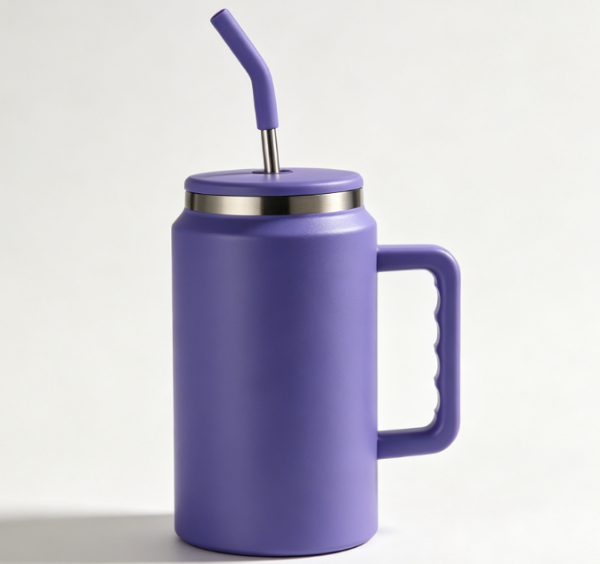
Among different types of custom drinkware, vacuum insulated tumblers have attracted attention because they combine everyday use with a strong visual surface for customization.
A tumbler is already a familiar product. It can be used at home, in an office, during travel, or in outdoor settings. When the product is customized, its appearance can become part of the user's experience.
The insulated structure also fits many modern drinking habits. People may want to carry a drink with them instead of preparing a new drink every time they change locations. A reusable tumbler can therefore become part of a routine rather than an occasional item.
Customization can strengthen that connection.
A business might choose a particular appearance to match its visual identity. A retailer may use custom designs for a specific product collection. An organization may create drinkware for an internal activity. A consumer product may use a distinctive design to appeal to a particular lifestyle group.
This does not mean every custom tumbler needs a complicated design.
In many cases, a simple and recognizable appearance may be enough. The value comes from making the product feel relevant to its intended setting.
For manufacturers, this also creates a need to understand both product construction and design requirements. A custom tumbler has to remain practical while carrying the visual elements requested by the buyer.
That balance is becoming an important part of modern drinkware development.
Personalization can change the emotional side of a product.
A standard cup may simply be seen as something useful. A personalized cup can feel more connected to its owner. A name, image, color combination, or particular design may make the product easier to recognize and more enjoyable to use.
This effect is not limited to individual consumers.
Businesses can also use personalized drinkware to create a stronger connection with customers. A product carrying a recognizable visual identity can become part of the customer's everyday environment.
This is especially relevant because drinkware is often visible in public and shared spaces. A customized tumbler may be used at a desk, carried through an office, taken to a café, or placed in a car. The product can therefore remain visible long after the initial purchase or distribution.
That makes customization different from a short-lived promotional message.
A useful drinkware product may continue to be used because it has a practical role. The custom design becomes part of that daily use rather than existing separately from it.
There is also room for more personal forms of customization. People may choose designs based on hobbies, interests, colors, family themes, or personal preferences. Businesses can respond by creating products that offer more than one visual direction.
The result is a shift from purely functional drinkware toward products that combine use with personal expression.
Modern routines often involve moving between different environments.
A person may start the day at home, travel to work, spend several hours at a desk, and later move to a gym or another activity. Drinkware can accompany each part of this routine.
This makes portability and familiarity important.
A tumbler that remains with the user throughout the day can become part of a personal routine. Its appearance can also help distinguish it from other products in shared environments.
For workplaces, customized drinkware can serve several purposes. It may be used by employees, provided as part of an internal program, or included in a broader company product range. The design can help create visual consistency while still giving the product a practical role.
Travel creates another opportunity.
People often carry drinks between home, transportation, offices, cafés, and outdoor locations. A reusable product can fit naturally into these movements. Customization can make the item easier to identify and give it a stronger personal character.
| Lifestyle Pattern | Drinkware Consideration |
|---|---|
| Daily commuting | Easy integration into a regular routine |
| Office work | Appearance and convenient everyday use |
| Outdoor activities | Portability and practical handling |
| Home use | Comfort and visual appeal |
| Travel | Personal identification and repeated use |
| Shared workplaces | Easy recognition among similar products |
These applications show how drinkware can become connected with routines rather than being limited to a single location.
Customization starts with design, but design needs to work with everyday use.
A visually attractive product may not suit its intended audience if it is uncomfortable to hold or inconvenient to carry. Likewise, a practical tumbler may receive less attention if its appearance does not match the intended market.
This is why product design needs to consider several aspects at the same time.
Shape affects how the product feels in the hand. The opening and lid design can influence the drinking experience. The surface can affect how the product looks and feels. Colors and graphics can change its visual character.
The relationship between these details matters.
A custom drinkware product should not feel as though the decoration was simply added after the product had already been designed. The visual elements should work naturally with the shape and purpose of the item.
Manufacturers therefore need to understand what buyers actually want to customize.
Some may focus heavily on appearance. Others may care more about how the product fits into a specific lifestyle. Some may want a combination of both.
A clear design process can help separate these needs:
This approach can make customization more meaningful. It turns design from a decoration step into part of product planning.
Custom drinkware is not limited to one type of business.
Companies across different industries may use drinkware for customer products, employee use, hospitality settings, retail collections, or promotional activities. The product can be adapted to suit the purpose.
For a retailer, appearance may be a major consideration. A distinctive design can help create a recognizable product collection.
For hospitality businesses, drinkware may become part of the customer environment. The design can fit the overall appearance of a space without needing to dominate it.
For corporate buyers, customized tumblers or bottles may provide a practical way to carry a visual identity into everyday settings. Unlike products that are used once, drinkware can remain in circulation for a longer period when users find it useful.
Different business goals can therefore lead to different customization strategies.
| Business Need | Custom Drinkware Direction |
|---|---|
| Product development | Create drinkware around a specific audience |
| Retail | Develop recognizable visual collections |
| Hospitality | Match drinkware with the surrounding environment |
| Corporate use | Connect practical products with company identity |
| Events and activities | Create a shared visual experience |
| Gifts | Add personal or occasion-based design elements |
The flexibility of the category gives businesses room to explore different approaches without changing the basic purpose of the product.
Customization can create more choices, but more choices also require clearer planning.
Businesses need to understand who will use the product and why. Without that information, customization can become focused only on appearance. A design may look interesting but have little connection with the actual user.
The intended use should therefore guide the development process.
A company preparing drinkware for office use may approach the product differently from a business creating outdoor drinkware. A retail product may require a different visual language from an item intended for internal company use.
Manufacturing flexibility also matters.
Different customization methods may suit different product forms and design goals. Buyers should communicate their requirements clearly so that the manufacturer can understand the expected result.
The relationship between product quantity, design variety, packaging, and delivery also needs to be considered during planning. Even without changing the basic product, different design choices can create different production needs.
A practical checklist can help:
| Consideration | Key Question |
|---|---|
| Target users | Who will use the drinkware? |
| Daily setting | Where will it normally be used? |
| Product type | What type of drinkware fits the routine? |
| Design | What visual identity should the product have? |
| Customization | Which elements actually need to be changed? |
| Practical use | Does the design support comfortable everyday use? |
| Packaging | How should the finished product be presented? |
| Production | Can the selected design be produced consistently? |
This keeps the focus on the complete product experience.
Everyday habits continue to influence the products people carry and use.
Drinkware is particularly connected with these changes because drinking is already part of daily routines. As people move between home, work, travel, exercise, and social activities, they may look for products that fit naturally into those transitions.
Customization can respond to this movement.
Instead of treating drinkware as a general-purpose item, businesses can create products around specific habits. A product can be designed for people who spend long hours at work, travel regularly, spend time outdoors, or simply want drinkware that feels more personal.
The connection between function and identity may also become more important.
People often keep familiar items close because those products fit their routines. A customized tumbler can become one of these everyday objects. Its value comes not only from the drink it holds, but also from how naturally it fits into the user's day.
For manufacturers, this creates a broader product development direction.
The focus can move beyond producing cups and bottles in different colors. It can involve understanding how people use drinkware, where products travel, what visual styles different audiences prefer, and how customization can work with practical product design.
Custom drinkware can therefore sit at the intersection of product function, personal preference, business identity, and everyday lifestyle. As these areas become more closely connected, the humble cup or tumbler can take on a more considered role in modern product design.
Your email address will not be published. Required fields are marked *



 +86-579-87217855
 ykdc@dingchuncup.com
 +86-579-87217600
 No.169 Yingbin Avenue, Industrial function zone, Xiangzhu Town, Yongkang Zhejiang, China.
OEM Thermos Mugs Manufacturer
 English
 Español
 عربى
عربى