+86-579-87217855
 ykdc@dingchuncup.com
Choose Responsibility Choose Dingchun
-BSCI Certified S/S Tumbler


-BSCI Certified S/S Tumbler
Aug 14,2026
Global supply chains tie manufacturers, suppliers, distributors, and buyers together across regions that often never see each other face to face. Behind a lot of everyday products sits a network of factories supporting production, customization, and delivery in ways most consumers never think about. Among these manufacturing hubs, Yongkang has genuinely earned attention for its role in hardware and product manufacturing.
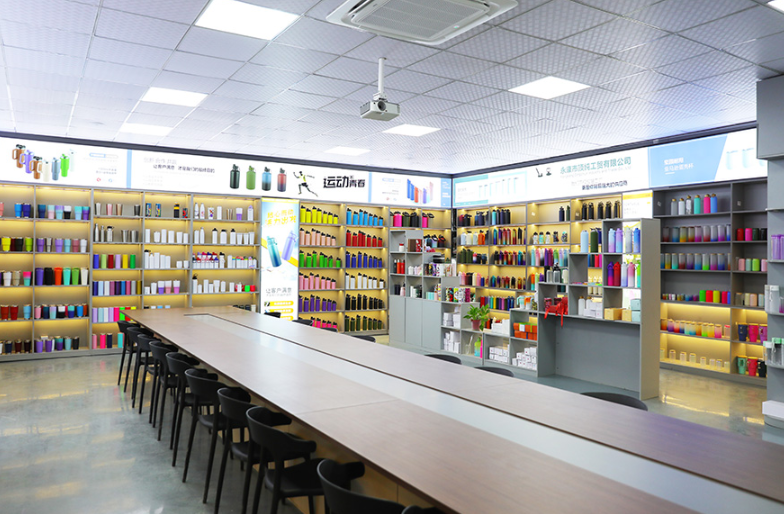
As a genuinely important industrial area, Yongkang provides real manufacturing support for businesses hunting for production partners. Companies like Yongkang Dingchun Industry and Trade Co., Ltd. represent exactly the kind of factory that plugs into this supply network by connecting product development, manufacturing processes, and customer requirements into one working system.
Understanding where a Yongkang factory actually sits within global supply chains helps buyers see how local manufacturing partners feed into much bigger international business operations.
International buyers are usually hunting for manufacturing partners that can support stable production alongside genuinely flexible cooperation. A factory's location quietly shapes communication, production management, and how supply relationships actually play out.
Yongkang factories have earned recognition for their tight connection to a wide range of manufacturing activities. The area has built up a genuinely strong industrial environment where suppliers, manufacturers, and supporting businesses work side by side.
For global buyers, working with a Yongkang factory can open access to:
A factory was never just a place where products get made. It's genuinely a connection point between ideas, materials, production steps, and the markets those products eventually land in.
A global supply chain runs through multiple stages at once. A factory might take part in product design discussions, production organization, quality management, packaging preparation, and shipment coordination, sometimes all within the same order.
Yongkang factories often serve as a genuinely important link between suppliers and international buyers.
| Supply Chain Role | Factory Contribution |
|---|---|
| Product development | Helps transform ideas into products |
| Manufacturing | Supports production processes |
| Custom cooperation | Adjusts products based on requirements |
| Order support | Helps manage buyer needs |
| Export preparation | Supports international transactions |
This role lets factories connect local manufacturing resources directly with global market demand.
For buyers, a genuinely suitable factory partner makes the whole sourcing process feel a lot more organized and efficient.
International cooperation demands a lot more than just product supply. Buyers weigh communication, flexibility, and how well a partner responds when market conditions shift underneath them.
A Yongkang factory tends to support business cooperation across several fronts.
Product Development Support
Plenty of buyers need products tailored to specific market preferences. Factories that genuinely understand manufacturing processes can help turn rough product ideas into practical, workable solutions.
Production Coordination
Manufacturing runs through multiple steps at once. A factory helps organize those activities and keeps production moving in line with customer expectations, rather than letting things drift.
Market Adaptability
Different regions carry different product requirements. Factories with genuine experience in international cooperation tend to understand those differences a lot faster than newer players.
These factors let Yongkang factories become genuine participants in a wider supply network, rather than just sitting there as production locations doing one job on repeat.
Different buyers walk in with genuinely different goals. A large distributor cares mostly about stable supply, while a smaller business might need far more flexible cooperation to survive.
Yongkang factories tend to support a range of business requirements.
| Buyer Type | Possible Manufacturing Needs |
|---|---|
| Importers | Reliable product sourcing |
| Retail businesses | Product variety and market adaptation |
| Brand owners | Custom product cooperation |
| Wholesale companies | Order management support |
Understanding what buyers actually need helps factories build genuinely more suitable cooperation methods rather than a one-size-fits-all approach.
The relationship between factory and buyer keeps growing more collaborative over time. Instead of just producing products on command, manufacturers increasingly step into solving genuine market challenges alongside their buyers.
Supply chain efficiency really comes down to communication between stages. Delays, unclear information, or limited coordination can quietly drag down the whole process before anyone notices.
A factory that genuinely understands buyer expectations can improve cooperation in several ways:
For international buyers, picking a suitable manufacturing partner cuts down on unnecessary friction during sourcing.
A Yongkang factory works as a genuine bridge between production resources and global demand. That connection helps businesses manage product supply a lot more effectively than juggling it alone.
Location keeps shaping how businesses choose suppliers, even in a world that feels increasingly digital and borderless. A manufacturing area with genuinely established industrial resources brings real advantages to cooperation.
A strong manufacturing location usually includes:
These pieces together create an environment where factories can genuinely respond to different customer needs without scrambling from scratch each time.
Yongkang's manufacturing environment lets factories participate in international supply chains by combining local production resources with genuine global business requirements.
For buyers, understanding a factory's location and industrial background genuinely helps sharpen sourcing decisions before money changes hands.
Choosing a manufacturing partner demands genuinely careful evaluation. Buyers need to figure out whether a factory actually matches their product goals and cooperation expectations, not just their price point.
| Consideration | Purpose |
|---|---|
| Product capability | Understand manufacturing suitability |
| Communication style | Ensure smooth cooperation |
| Production support | Match order requirements |
| Custom service | Meet specific market needs |
| Business cooperation | Build long-term relationships |
A successful partnership genuinely depends on both sides understanding each other's expectations upfront, rather than working it out mid-order.
The right factory relationship helps businesses respond to market changes while keeping product development genuinely stable.
Global trade keeps changing shape. Buyers increasingly hunt for suppliers who deliver flexibility, communication, and genuine product support all at once.
Manufacturing partners are no longer viewed as just production providers sitting at the end of a chain. They're becoming genuine participants in product planning and market response.
Yongkang factories, including companies like Yongkang Dingchun Industry and Trade Co., Ltd., represent exactly this shifting role. By connecting manufacturing resources with international customers, they genuinely contribute to how products move across global markets.
As supply chains keep growing more interconnected, factories that understand customer needs and adapt to shifting market requirements are likely to keep playing a genuinely important role in international cooperation.
Your email address will not be published. Required fields are marked *



 +86-579-87217855
 ykdc@dingchuncup.com
 +86-579-87217600
 No.169 Yingbin Avenue, Industrial function zone, Xiangzhu Town, Yongkang Zhejiang, China.
OEM Thermos Mugs Manufacturer
 English
 Español
 عربى
عربى