+86-579-87217855
 ykdc@dingchuncup.com
Choose Responsibility Choose Dingchun
-BSCI Certified S/S Tumbler


-BSCI Certified S/S Tumbler
Jul 24,2026
Step into any home kitchen, workplace break room or picnic spot, and you're bound to spot a plastic mug somewhere within reach. It's such a plain, unremarkable item that most people barely give it a second thought. But this common everyday cup comes from an industry that's always adjusting its goods to match how people live, work and spend their free time.
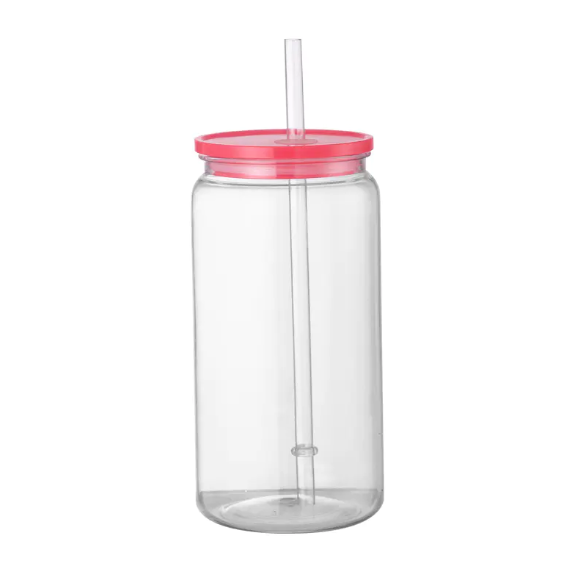
Companies that make plastic mugs don't just churn out basic drink cups. They refine how each mug sits comfortably in your grip, design them to slot seamlessly into daily schedules, and tweak products to fit the distinct needs of household and commercial buyers alike. Their design work balances practical use and people's daily routines; even tiny adjustments to the build can alter how customers use the mug long-term.
The work starts long before any product takes shape. A manufacturer has to think about how a mug will be used. Is it meant for a busy office, a family kitchen, or an outdoor setting where convenience matters more than appearance?
Once that direction is clear, the process moves into development. Designs are adjusted, sometimes more than once, until they feel right. Small details—like the curve of a handle or the balance of the base—can influence comfort in ways people notice without being able to explain.
Production follows, but it is not just about volume. There is a steady focus on keeping each batch consistent. A mug that feels slightly different from the last one can affect how it is received, especially in commercial settings where uniformity matters.
Packaging and delivery complete the cycle. Some manufacturers ship in bulk to distributors, while others work closely with businesses that need tailored products.
Despite the presence of glass and ceramic alternatives, plastic mugs continue to hold their place. The reason is not complicated. They are easy to handle, easy to carry, and less fragile in environments where accidents happen.
In outdoor settings, this becomes even more clear. A plastic mug can be packed into a bag without much concern. It can be used on uneven surfaces, passed around in group settings, or stored quickly after use.
There is also a sense of practicality that keeps them relevant. People often choose items that fit into their routines without adding effort. Plastic mugs meet that expectation. They are simple, and that simplicity works in their favor.
The range has grown over time, though it may not always be obvious at first glance. Manufacturers tend to adjust their offerings based on how people use these products in different situations.
Some mugs are designed for quiet, everyday use. Others are shaped with movement in mind, making them easier to carry during travel or outdoor activities. There are also designs that focus on appearance, often used for events or business promotions.
Here is a general way to look at the variety:
| Category | Typical Use |
|---|---|
| Everyday Mugs | Regular use at home or in shared spaces |
| Portable Mugs | Travel, commuting, or outdoor settings |
| Larger Mugs | Longer use without frequent refilling |
| Children’s Mugs | Simpler handling and safer use |
| Display or Promotional Mugs | Branding or event-related purposes |
Each category reflects a different moment in daily life. That is what shapes the design more than anything else.
Customization has become a common request. Businesses, in particular, often want products that reflect their identity in subtle ways.
This does not always mean complex changes. Sometimes it is just a shift in color or a small visual element added to the surface. In other cases, the shape itself may be adjusted to better match a specific purpose.
The process usually involves a back-and-forth exchange. Ideas are shared, samples are reviewed, and small refinements are made before production moves forward. It is a slower path compared to standard manufacturing, but it allows the final product to feel more intentional.
For many companies, a plastic mug is not just a container. It becomes part of how they present themselves.
They show up in more places than people often notice. At home, they sit among other kitchen items, used without much thought. In offices, they become part of shared routines, passed between meetings and short breaks.
Outdoor use is another common setting. Whether it is a casual picnic or a longer trip, plastic mugs fit into situations where convenience matters more than formality.
Events and gatherings also create demand. In these spaces, practicality and ease of use tend to guide product choice.
A simple breakdown looks like this:
| Setting | Role |
|---|---|
| Household | Daily drinking and casual use |
| Workplace | Shared spaces and quick breaks |
| Outdoor | Travel, camping, and informal gatherings |
| Food Service | Efficient serving in busy environments |
| Events | Group use and temporary setups |
The same product adapts to different settings without needing major changes.
Customers'tastes keep changing along with their daily lifestyles. They want goods that match their way of living.
Instead of creating totally new products from scratch, mug makers make small improvements. Adjusting the cup outline, touch texture or multi-scene usability can make the item much more popular.
Now more people choose reusable products they can use for a long time, instead of throwing things away quickly. This idea changes both product design and the way goods are promoted.
Business buyers also care about brand image shown through small supplies. Even a simple plastic mug can pass on the brand's style with its appearance and hand feel.
The whole drinkware industry keeps developing by balancing practical functions and brand visual needs.
Choosing a Plastic Mug Factory is rarely based on one factor alone. It tends to be a combination of practical considerations and long-term expectations.
A wider product range can make a difference. It allows buyers to explore options without needing to switch suppliers. Flexibility in customization is also important, especially for businesses that want something distinct.
Consistency remains a key concern. Buyers expect each product to match what they have already approved. Even small variations can create issues over time.
Communication plays a quiet but important role. Clear exchanges help prevent delays and reduce the chance of errors during production.
Here is a simple way to frame those considerations:
| Consideration | Why It Matters |
|---|---|
| Product Variety | Offers more choices for different needs |
| Customization | Supports brand-related adjustments |
| Consistency | Keeps products reliable over time |
| Communication | Makes cooperation smoother |
These factors often shape long-term partnerships between buyers and manufacturers.
The role is shifting, though not in a dramatic way. It is more of a gradual change, shaped by how products are used and how expectations develop.
Manufacturers are paying closer attention to everyday behavior. A mug is no longer just something to hold a drink. It is part of a routine, part of a setting, sometimes even part of a brand image.
Design and production now move alongside these ideas. The focus is not only on making a product, but on understanding how it fits into different moments of use.
That quiet shift continues to guide how plastic mugs are made and offered across the market.
Your email address will not be published. Required fields are marked *



 +86-579-87217855
 ykdc@dingchuncup.com
 +86-579-87217600
 No.169 Yingbin Avenue, Industrial function zone, Xiangzhu Town, Yongkang Zhejiang, China.
OEM Thermos Mugs Manufacturer
 English
 Español
 عربى
عربى