+86-579-87217855
 ykdc@dingchuncup.com
Choose Responsibility Choose Dingchun
-BSCI Certified S/S Tumbler


-BSCI Certified S/S Tumbler
May 29,2026
Drinkware looks simple at first glance. A SS Cup Manufacturer is just a container, something you pick up and put down without much thought. Yet the material behind it quietly shapes how a drink feels, how long it stays at a certain temperature, and how the cup behaves after repeated use.
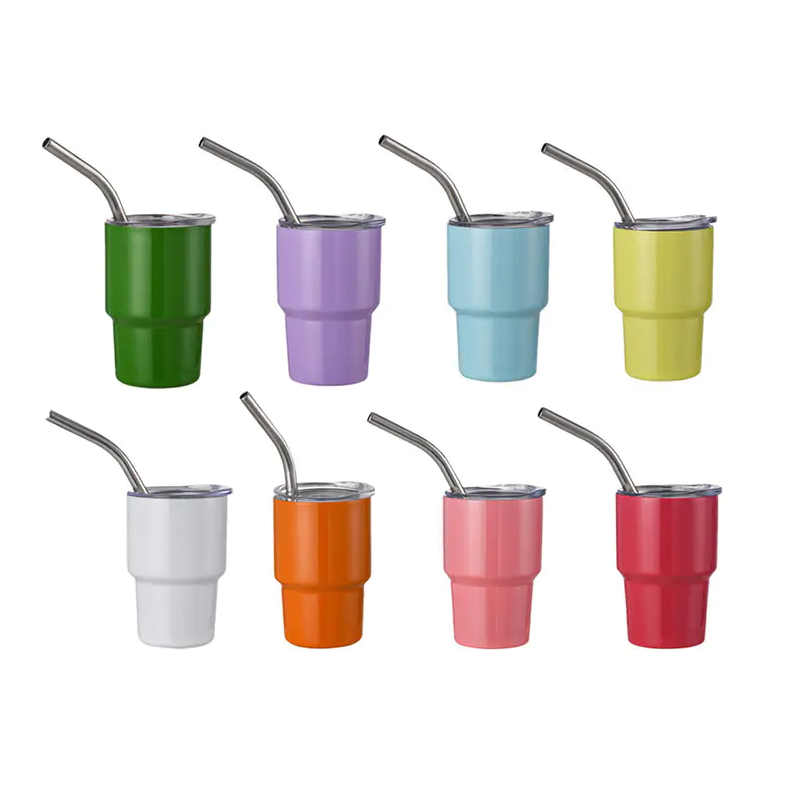
Across homes, cafés, outdoor spaces, and workplaces, different materials compete for attention. Plastic, glass, ceramic, and stainless steel each offer something different. Over time, stainless steel cups have started to appear more often in daily routines, not because of a trend, but because of how they perform in real use.
Plastic cups are still everywhere for good reason. They're light, affordable to make, and super convenient for parties, takeaway drinks and one‑time use, so most casual settings still rely on them.
But once people use them day‑to‑day, their flaws quickly become obvious.
Plastic soaks up smells from drinks really easily after multiple uses. Some drinks leave faint stains and stubborn odors that you can't fully clean away. Tiny scratches also build up over time on the surface, making the cup look worn and feel rough to touch.
Heat creates more problems too. Warm drinks can slightly bend or deform plastic cups, and hot boiling water is never safe to put in them. Even cold drinks tend to go stale faster when stored in plastic for too long.
Stainless steel cups work far better for regular daily use. Their solid, non‑absorbent surface won't let liquid seep in or trap unwanted smells. The surface stays smooth and consistent even after months of use, keeping the same quality feel every day.
Glass has a clean and familiar feel. It does not alter taste, and it is easy to clean. Many people associate it with a pure drinking experience.
But glass has a clear limitation that becomes obvious in daily environments: fragility.
A small knock on a hard surface can cause cracks or complete breakage. In busy kitchens, restaurants, or outdoor settings, this risk becomes a constant concern.
Stainless steel removes that uncertainty. It does not shatter when dropped, and it handles impact much better. This makes it suitable for situations where movement is frequent or control is not always perfect.
Another difference appears in portability. Glass is heavier and more delicate to carry. Stainless steel cups feel more secure during travel, commuting, or outdoor activities where conditions are less predictable.
Ceramic cups are often chosen for their appearance. They feel traditional and are commonly used for tea or coffee. They also hold heat fairly well, which adds to their comfort in slow drinking moments.
However, ceramic is sensitive to impact. Even a small chip can affect usability. Once damaged, it usually cannot be repaired. The weight also makes it less convenient for travel or frequent handling.
Stainless steel offers a different balance. It is lighter in many cases and significantly more resistant to damage. Instead of focusing on appearance alone, it supports repeated use without much concern about accidental drops or surface wear.
This difference becomes more noticeable in environments like offices, cafés, or shared kitchens where cups are handled frequently throughout the day.
How different materials handle heat is one of the biggest practical differences users notice right away.
Plastic reacts instantly to temperature changes. Hot beverages make the cup uncomfortably hot to grip, while cold drinks warm up quickly inside it. Ceramic retains heat fairly well, yet it still lets inside temperatures transfer quickly to the outer surface.
Stainless steel works differently, especially double‑walled styles. This structure slows heat transfer between the liquid inside and the air outside the cup.
This gives a much more steady everyday drinking experience. Hot drinks stay warm longer without the outer wall getting too hot to hold. Cold beverages keep their chill for longer too, without heavy water droplets forming on the outside surface.
This isn't about heavy‑duty insulation for extreme conditions. It simply delivers consistent, reliable performance for regular daily use.
Hygiene is not always visible, but it becomes important over time. Drinkware that is used repeatedly needs to stay clean in a reliable way.
Plastic surfaces can develop micro-scratches after repeated washing. These small marks may trap residues that are not easy to see. Ceramic is smoother but can develop cracks or tiny chips that also affect cleanliness.
Stainless steel has a dense, non-porous surface. Liquid does not penetrate it, and residue does not settle easily. Cleaning becomes more straightforward, even with frequent use.
In shared environments such as offices, restaurants, or family kitchens, this consistency matters. It reduces uncertainty about cleanliness between uses.
Sustainability has become a major factor people consider when buying daily‑use items, for both home and business use.
Disposable plastic cups pile up as waste constantly. Even plastic marked as recyclable often struggles with inefficient collection and recycling processes in real‑world use.
Glass and ceramic cups can be reused multiple times, but they are heavy and easy to break. That means more energy is spent making them and shipping them from factories to stores.
Stainless steel cups stand out here. They are built to be reused for years. One single cup can take the place of hundreds of throwaway cups over time. Even when you count the environmental cost of manufacturing it, long‑term repeated use balances out that initial impact.
Thanks to this long service life, stainless steel drinkware is growing more popular for personal daily use as well as commercial applications.
In commercial environments, drinkware is not just functional. It can also carry identity.
Stainless steel surfaces allow engraving, printing, or laser marking without affecting durability. Logos and designs remain visible even after long-term washing.
Plastic prints can fade. Ceramic designs may chip or wear down over time. Stainless steel keeps branding stable through repeated use and cleaning cycles.
This makes it suitable for promotional items, café merchandise, hospitality services, and corporate gifts. The cup becomes part of the brand experience rather than just a container.
One of the more practical advantages is flexibility.
Stainless steel does not react strongly with acidic drinks. It does not absorb flavors from coffee, tea, juice, or milk-based beverages. This allows the same cup to be used for different drinks without noticeable taste changes.
Hot beverages behave consistently inside the cup. Cold drinks also remain stable without affecting the material. This flexibility reduces the need for multiple types of drinkware in daily use.
For households and businesses alike, that simplicity is often more valuable than specialization.
Durability becomes more meaningful over time.
Plastic cups may need frequent replacement due to wear or staining. Glass may break unexpectedly. Ceramic may chip with repeated handling.
Stainless steel tends to maintain its structure for a long period. The surface remains functional even after repeated washing and daily use. Minor scratches may appear, but they rarely affect usability.
This long service life changes how users think about replacement cycles. Instead of regular disposal, the focus shifts toward continuous use.
| Feature | Stainless Steel | Plastic | Glass | Ceramic |
|---|---|---|---|---|
| Durability | Very high | Low | Medium | Medium |
| Temperature control | Stable with insulation | Weak | Moderate | Moderate |
| Break resistance | High | Medium | Low | Low |
| Hygiene stability | Strong | Lower over time | Good | Good |
| Reusability | Long-term | Limited | Medium | Medium |
| Maintenance ease | Simple | Easy but wears fast | Easy | Moderate |
| Branding durability | Strong | Medium | Medium | Medium |
The growing use of stainless steel cups is not driven by a single factor. It is the combination of many small advantages that build up over time.
They feel stable in daily use. They handle different drinks without changing performance. They reduce concerns about breakage and long-term wear. They also fit into both personal routines and commercial needs without major adjustments.
Instead of replacing other materials completely, they sit alongside them, offering an alternative where durability and consistency matter more than anything else.
In everyday situations, that reliability often becomes the deciding factor.
Your email address will not be published. Required fields are marked *



 +86-579-87217855
 ykdc@dingchuncup.com
 +86-579-87217600
 No.169 Yingbin Avenue, Industrial function zone, Xiangzhu Town, Yongkang Zhejiang, China.
OEM Thermos Mugs Manufacturer
 English
 Español
 عربى
عربى