+86-579-87217855
 ykdc@dingchuncup.com
Choose Responsibility Choose Dingchun
-BSCI Certified S/S Tumbler


-BSCI Certified S/S Tumbler
Feb 13,2026
A Braised Teapot is a specialized vessel designed primarily for brewing and serving tea. Known for its elegant design and functional construction, it is widely used in households, tea houses, and professional settings. Beyond its aesthetic appeal, the Braised Teapot offers unique advantages in retaining heat and enhancing the flavor of tea. Understanding its main uses and thermal properties helps users appreciate its practicality and make informed choices when selecting a teapot.
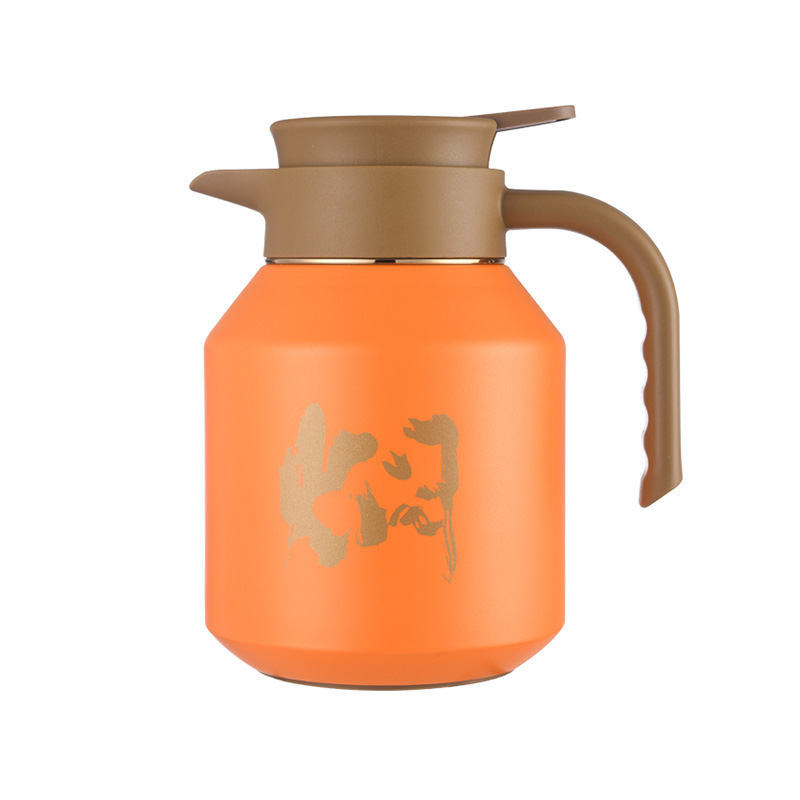
The main purpose of a Braised Teapot is to brew tea efficiently while maintaining the ideal temperature for suitable flavor extraction. Its design allows tea leaves to expand fully, releasing their aroma and taste gradually. This makes it particularly suitable for high-quality teas such as oolong, green tea, and pu-erh. In addition to brewing, the teapot is often used for serving tea in a ceremonial or casual setting, providing both functional and decorative value. Some models are also designed to prepare herbal infusions or decoctions, expanding their versatility in kitchens or tea rituals.
One of the key benefits of using a Braised Teapot is its ability to enhance the flavor of the tea. The material and shape of the teapot help to evenly distribute heat, allowing for a consistent brewing process. Porous materials, like clay or ceramic, can absorb the essence of previous brews, subtly enriching the flavor over time. This feature is particularly appreciated by tea enthusiasts who enjoy a nuanced taste profile and a richer tea-drinking experience.
The thermal performance of a Braised Teapot is another important consideration. Most high-quality teapots are made from materials such as ceramic, clay, or stainless steel with insulating properties. These materials allow the teapot to retain heat effectively, keeping the tea warm for longer periods without compromising flavor. Some modern designs incorporate double-wall construction or additional insulation layers, further improving heat retention. This ensures that the tea remains at a desirable temperature for extended serving, making it ideal for social gatherings or long tea sessions.
Several factors influence the insulation performance of a Braised Teapot. The thickness of the walls, type of lid, and overall material composition play critical roles in maintaining temperature. Lids that fit tightly prevent heat loss and help keep the tea hot. Additionally, pre-warming the teapot before use can enhance thermal efficiency, ensuring the brewed tea remains warm for longer. Users should also avoid placing the teapot directly on a heat source unless it is specifically designed for stovetop use.
For daily use, the Braised Teapot combines convenience with tradition. Its size and design are typically optimized for personal or small group servings, making it manageable while still functional. Many teapots are also easy to clean and maintain, although care must be taken with delicate materials like clay, which can be sensitive to harsh detergents or sudden temperature changes. Choosing a teapot from a reputable manufacturer ensures reliable performance and consistent thermal properties.
The Braised Teapot serves primarily as a vessel for brewing and serving tea, enhancing flavor while providing efficient heat retention. Its design, material, and lid construction all contribute to maintaining a suitable temperature and enriching the tea experience. Whether for daily use or ceremonial purposes, understanding the main uses and insulation capabilities of a Braised Teapot helps users improve both functionality and enjoyment.
Your email address will not be published. Required fields are marked *



 +86-579-87217855
 ykdc@dingchuncup.com
 +86-579-87217600
 No.169 Yingbin Avenue, Industrial function zone, Xiangzhu Town, Yongkang Zhejiang, China.
OEM Thermos Mugs Manufacturer
 English
 Español
 عربى
عربى