+86-579-87217855
 ykdc@dingchuncup.com
Choose Responsibility Choose Dingchun
-BSCI Certified S/S Tumbler


-BSCI Certified S/S Tumbler
Jun 12,2026
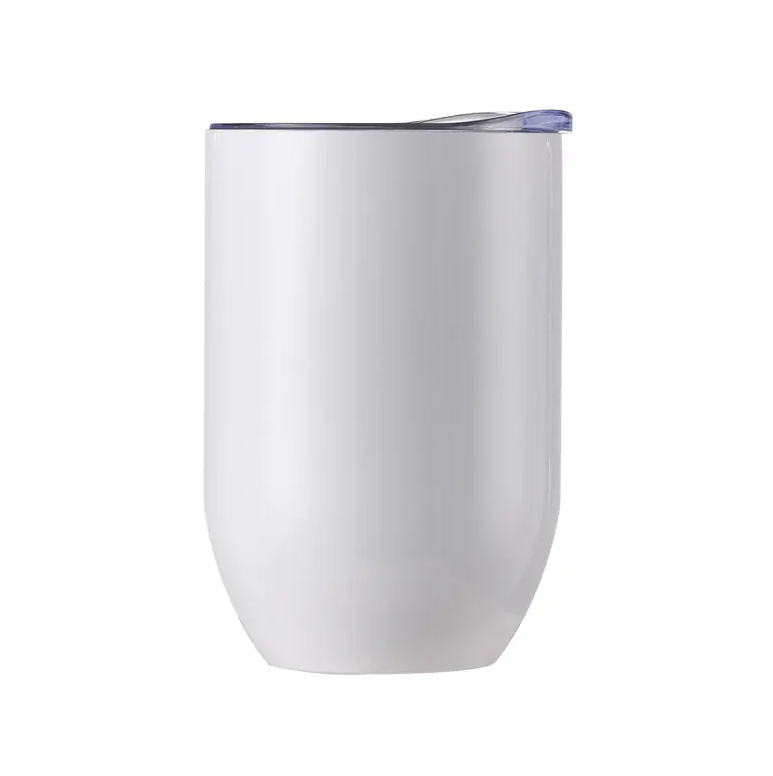
An egg mug looks simple on the shelf. Rounded shape, smooth surface, soft visual style. But inside a Egg Mug Factory , the path from raw material to finished cup is more step-by-step than it first appears.
Production is not a single action. It moves through forming, drying, heating, surface work, and inspection. Each stage leaves a small mark on the final result, even if it is not visible at first glance.
Before anything looks like a mug, the material has to be prepared.
Factories start with a base material that is cleaned, blended, and adjusted into a workable state. It is not yet solid in the way a finished product is. It behaves more like a soft mass that can still be shaped.
At this stage, workers usually focus on:
If the material is not stable here, later steps become harder to control.
The egg mug shape comes from a forming stage. This is where the material is placed into a mold that defines its curved body.
The mold is the guide. It gives the mug its soft oval outline.
Inside the forming process:
The shape is still delicate at this point. It holds form, but it is not strong yet. It needs time before it can move forward.
Drying is quiet work, but it changes everything.
Once shaped, the mug contains moisture. That moisture has to leave slowly. If it leaves too fast, the shape can shift slightly. If it leaves unevenly, one side may react differently from the other.
So the mug is left to rest under controlled conditions.
During drying:
It is not a fast step. It is more like waiting for the material to "set" into its new shape.
After drying, the mug enters a heating stage. This is where the structure becomes solid enough for real use.
The heat changes the internal structure of the material. It becomes stronger and less fragile. The shape that was once soft and sensitive now becomes fixed.
In this stage:
Once cooled, the shape stays. It no longer returns to its earlier soft stage.
After heat treatment, the mug may still feel slightly rough or plain.
This is where surface work begins.
Workers adjust the surface to improve how it looks and feels. It is not about changing the shape. It is about refining what is already there.
This stage often includes:
The difference is subtle but noticeable when holding the mug.
Egg mugs are often used in home settings or gift collections, so appearance matters.
Design is added after the base structure is stable.
Depending on the product style, factories may apply:
Each layer is placed carefully so it follows the curved shape evenly. Since the surface is rounded, design work needs steady alignment to avoid distortion.
After decoration, another drying phase is usually needed so the design stays fixed.
Before packing, every mug goes through inspection.
This step is not rushed. It is done to catch small differences that might affect appearance or use.
Inspection often looks at:
Some pieces pass directly. Others may be removed or sent back for adjustment depending on the issue.
The goal is simple: keep the final batch consistent enough for daily use or retail display.
Egg mugs are not limited to one purpose. They appear in different environments depending on design style.
Common uses include:
The rounded shape gives them a softer visual feel compared to standard cups. That is part of why they are often chosen for casual home use or presentation sets.
At first glance, the process seems straightforward: shape, dry, heat, finish.
But each stage depends on timing and balance. A small change in one step can affect the next.
For example:
So the factory workflow is less about speed and more about steady repetition.
By the end of production, the egg mug goes through multiple layers of change. It starts as soft material, becomes shaped form, then gains strength, surface detail, and final appearance.
Each stage adds something small. Nothing works alone. The final product is the result of many controlled steps that stay connected from start to finish.
What looks like a simple mug on a table has already passed through shaping, settling, heating, and surface refinement before it reaches use.
Your email address will not be published. Required fields are marked *



 +86-579-87217855
 ykdc@dingchuncup.com
 +86-579-87217600
 No.169 Yingbin Avenue, Industrial function zone, Xiangzhu Town, Yongkang Zhejiang, China.
OEM Thermos Mugs Manufacturer
 English
 Español
 عربى
عربى