+86-579-87217855
 ykdc@dingchuncup.com
Choose Responsibility Choose Dingchun
-BSCI Certified S/S Tumbler


-BSCI Certified S/S Tumbler
Jul 10,2026
Plastic mugs are one of those everyday items that people rarely think about, but they appear almost everywhere. Homes, offices, small shops, outdoor events, even temporary gatherings. They sit quietly in the background of daily routines.
What makes them interesting is not the product itself, but how widely they are used in different situations without drawing attention. The same basic object can serve many small roles depending on where it is placed.
In China plastic mug production, the category has slowly expanded. It is no longer a single simple cup shape. It has become a group of different designs, each fitting slightly different daily habits.
The main reason is simple. They are easy to use.
No special care. No complicated handling. Just fill, drink, and reuse.
In many environments, that is enough.
Another point is flexibility. A plastic mug does not belong to one drink type. Water, tea, juice, cold drinks. It does not matter much. The same item can handle all of them.
That flexibility is why they appear in so many different spaces, from private homes to shared public areas.
Instead of one fixed product, there are several common directions in design. They are not strictly separated in real life, but they can be grouped in a practical way.
This is the most basic type. Straightforward shape, light structure, easy to wash.
People use them at home without thinking much. Morning water, quick drinks, or casual use during the day.
Nothing complicated. That is the point.
In office environments, usage becomes more repetitive. People refill drinks often during work.
These mugs are usually placed on desks or shared kitchen areas.
The design focus is not decoration. It is stability during repeated use. Easy grip, stable base, and simple cleaning.
They blend into the working environment rather than stand out.
This type appears more in movement-based situations.
Commuting. Short trips. Outdoor walking. Sometimes even in cars or temporary seating areas.
They are usually lighter in structure and easier to carry around.
The main idea is not long-term storage, but short-term convenience during movement.
These are often used in shared or commercial spaces.
Cafeterias, event setups, or places where many cups are needed at once.
The stackable structure helps save space. One inside another, easy to store and organize.
This type is more about system use than individual use.
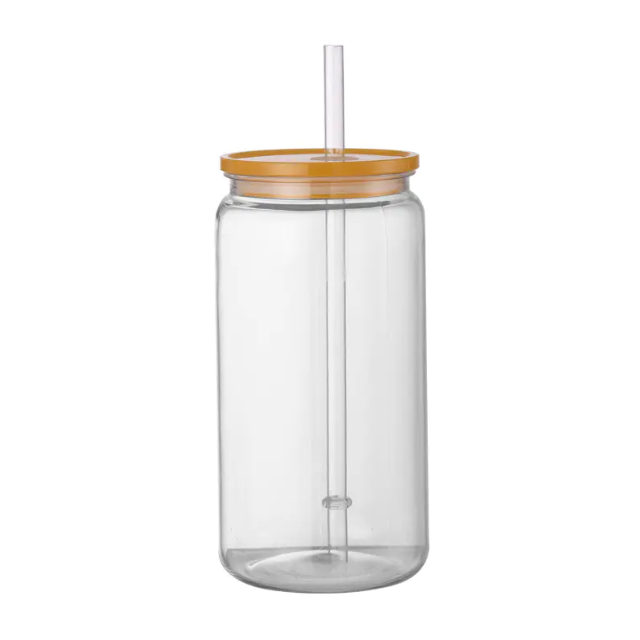
Some mugs focus more on appearance. Clear bodies or soft color variations.
They are often used in home settings or casual dining tables.
The function is still the same, but the visual style changes how they fit into a space.
Small difference, but it affects how people feel about the product.
At home, plastic mugs become part of routine behavior.
Morning water. Afternoon drinks. Evening use in the kitchen or living room.
Sometimes each family member has their own mug. Sometimes they are shared freely.
The important thing is not formality. It is availability.
They are always there, ready to be used without preparation.
Office use is more repetitive and structured.
People often drink water or coffee during work hours. The mug stays on the desk most of the time.
It becomes part of the working rhythm. Use, refill, place back.
In shared office kitchens, they also reduce the need for fragile containers. Less worry, more practicality.
In food-related environments, speed matters more.
Plastic mugs help reduce handling time. They are easy to distribute and collect.
Staff can manage multiple drinks without worrying about breakage.
This is especially useful in small cafés or casual service counters where flow is continuous.
The focus is efficiency, not presentation detail.
Outdoor environments are unpredictable. Surfaces are uneven, conditions change, and items are moved frequently.
Plastic mugs fit well here because they are light and not fragile.
They are used in:
Even if they fall, there is usually no major issue.
That practicality is the main reason they are used outside so often.
Design is not only about how the mug looks. In real use, small details matter more.
Things like:
These small details decide whether a mug feels convenient or annoying in daily use.
So design changes are usually subtle, not dramatic.
Different plastic materials feel slightly different in use.
Some feel more rigid. Some feel softer. Some are more transparent, others more matte.
But in daily life, what people notice is not material type. It is how the mug behaves after repeated use.
Does it stay stable. Does it keep its shape. Does it remain easy to handle.
These small impressions build up over time.
Even with many alternative drinkware options, plastic mugs continue to be used widely.
The reason is not trend or style. It is simplicity.
They do not require special handling. They are easy to replace. They work in many different environments.
That makes them suitable for both personal and shared use situations.
Daily life is made of repeated small actions.
Drink water. Take a break. Refill. Repeat.
Plastic mugs fit into this pattern without interruption.
They do not require adjustment or preparation. They just stay in place and support use when needed.
That is why they are often overlooked, but always present.
The general direction is not dramatic change. It is gradual adjustment.
More focus on usability. More attention to space-saving. Slight improvements in comfort and handling.
Instead of becoming something new, the category is slowly adapting to different usage habits.
Plastic mugs remain simple tools, but their role inside daily routines continues to expand quietly.
Your email address will not be published. Required fields are marked *



 +86-579-87217855
 ykdc@dingchuncup.com
 +86-579-87217600
 No.169 Yingbin Avenue, Industrial function zone, Xiangzhu Town, Yongkang Zhejiang, China.
OEM Thermos Mugs Manufacturer
 English
 Español
 عربى
عربى