+86-579-87217855
 ykdc@dingchuncup.com
Choose Responsibility Choose Dingchun
-BSCI Certified S/S Tumbler


-BSCI Certified S/S Tumbler
May 15,2026
A Braised Teapot is often used in slow brewing routines where tea is kept warm for extended periods. Its structure is designed to hold heat and support steady infusion. Over time, repeated use can leave residue inside the container, which may affect both taste and performance. Cleaning and maintenance are not only about appearance. They also influence how the teapot performs in daily use and how consistent the brewing experience feels.
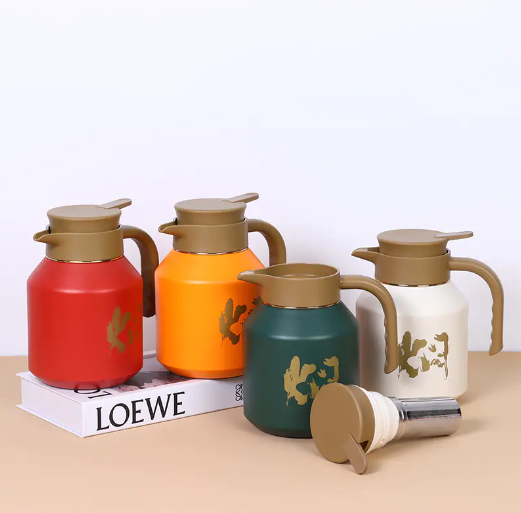
Unlike simple tea containers, a teapot interacts closely with heat and liquid for long durations. This makes regular care part of its natural use cycle rather than an occasional task.
A teapot is designed to retain heat and support slow infusion. Because of this function, it often stays in contact with hot water or tea for longer periods compared to standard teaware. This extended contact can leave behind layers of residue on the inner surface over time.
These residues are usually light at first, but they can gradually build up if not cleaned properly. The internal structure may also include narrow areas or layered surfaces that hold heat more efficiently, which means cleaning needs to reach both visible and less visible zones. Careful cleaning helps maintain a stable brewing environment and keeps flavor closer to its natural state.
Daily cleaning is the most important part of maintaining a teapot. After each use, warm water is usually enough to remove fresh residue. The goal is to prevent buildup rather than remove heavy stains later.
A gentle rinse helps clear remaining liquid inside the container. Soft movement of water inside the teapot can reach areas where tea may have settled. After rinsing, allowing the teapot to dry naturally helps reduce moisture retention. Keeping the lid open during drying supports air circulation inside the container.Simple daily care reduces the need for deeper cleaning and helps maintain consistent performance over time.
When residue becomes more noticeable, a slightly deeper cleaning approach may be needed. This usually involves using mild cleaning methods that avoid damaging the inner surface. Harsh cleaning materials are generally avoided because they may affect the surface texture and long-term stability.
Warm water combined with gentle motion inside the teapot can help loosen buildup. In some cases, repeated rinsing is more effective than a single strong cleaning action. The focus is on gradual removal rather than force. This approach helps preserve the internal condition while still improving cleanliness.
Below is a simple overview of cleaning approaches:
| Cleaning Level | Method Approach | Expected Result |
|---|---|---|
| Daily care | Warm water rinse | Prevent residue buildup |
| Light cleaning | Repeated rinsing | Remove fresh deposits |
| Deep cleaning | Gentle soaking and rinse | Reduce long-term residue |
| Maintenance cleaning | Regular routine care | Stable long-term condition |
Each level supports a different stage of use, depending on how often the teapot is used.
Drying is often overlooked, yet it plays an important role in maintaining a teapot. After cleaning, moisture left inside the container can influence odor formation or affect the next brewing session.
Allowing air to circulate inside the teapot helps remove remaining moisture naturally. Keeping the lid separate or slightly open during drying reduces trapped humidity. A fully dry interior supports a cleaner brewing environment and helps maintain consistent taste during use.Drying is not a fast process. It works best when given enough time to complete naturally without added heat or pressure.
With repeated use, a teapot gradually develops changes in its internal surface. These changes are often subtle and happen over time. Tea residue may build up in small layers, especially if cleaning routines are inconsistent.
Long-term use also influences how the teapot interacts with heat. A well-maintained surface supports more stable brewing conditions, while uneven buildup may affect heat distribution inside the container. Regular care helps reduce these variations and keeps performance more predictable during daily use.Maintenance becomes more about consistency than intensity. Small, regular actions are more effective than occasional deep cleaning.
Certain cleaning habits can affect the condition of a teapot. Strong scrubbing methods may damage the inner surface and change how it interacts with heat and liquid. Rough materials used during cleaning can leave small marks that gradually affect performance.
Leaving tea residue for long periods without rinsing can also make buildup harder to remove later. Over time, this may influence both appearance and brewing behavior. Another habit to avoid is sealing the teapot while it is still damp, as this can trap moisture inside.Gentle and consistent care tends to support longer and more stable use.
The material of a teapot affects how it responds to cleaning and use. Some materials hold heat more efficiently, while others are easier to clean after use. The inner surface structure also determines how easily residue attaches or releases during rinsing.
Smooth inner surfaces generally reduce buildup, while more textured surfaces may hold flavor longer but require slightly more attention during cleaning. The balance between heat retention and cleanability is part of how the teapot performs in daily routines.Understanding material behavior helps set realistic cleaning expectations.
Frequent use naturally increases the need for regular cleaning. A teapot used daily will develop residue faster than one used occasionally. However, frequent cleaning does not mean complex cleaning. It usually means more consistent rinsing and drying after each use.
In less frequent use, moisture control becomes more important. Even when not in active use, ensuring the teapot remains dry helps prevent unwanted changes inside the container.Maintenance adjusts based on how often the teapot is part of daily routines, rather than requiring a fixed schedule.
Simple habits often have the biggest impact on long-term condition. Rinsing immediately after use helps prevent buildup. Allowing full drying time reduces internal moisture. Storing the teapot in a clean, ventilated space supports stable conditions between uses.
Handling the teapot gently during cleaning also helps preserve its structure. Avoiding sudden temperature changes during washing can reduce stress on the material. These small actions create a stable environment for long-term use without requiring complex procedures.
Cleaning and maintaining a braised teapot is closely connected to how it is used on a daily basis. Regular care supports stable brewing conditions, while gentle cleaning methods help preserve internal surfaces. Over time, consistent habits influence both appearance and performance, shaping how the teapot behaves during each brewing cycle.
Your email address will not be published. Required fields are marked *



 +86-579-87217855
 ykdc@dingchuncup.com
 +86-579-87217600
 No.169 Yingbin Avenue, Industrial function zone, Xiangzhu Town, Yongkang Zhejiang, China.
OEM Thermos Mugs Manufacturer
 English
 Español
 عربى
عربى