+86-579-87217855
 ykdc@dingchuncup.com
Choose Responsibility Choose Dingchun
-BSCI Certified S/S Tumbler


-BSCI Certified S/S Tumbler
Dec 05,2025
A Braised Teapot is prized not only for its heat retention and flavor-enhancing qualities but also for its ability to maintain the purity of tea. However, improper care can cause the development of unpleasant odors, which may affect the taste of subsequent brews. Understanding how odors form and adopting proper cleaning and maintenance techniques is essential for anyone who wants to preserve the authentic flavor of tea. Even minor residues from previous brews or environmental factors can accumulate inside the teapot, making preventive measures critical.
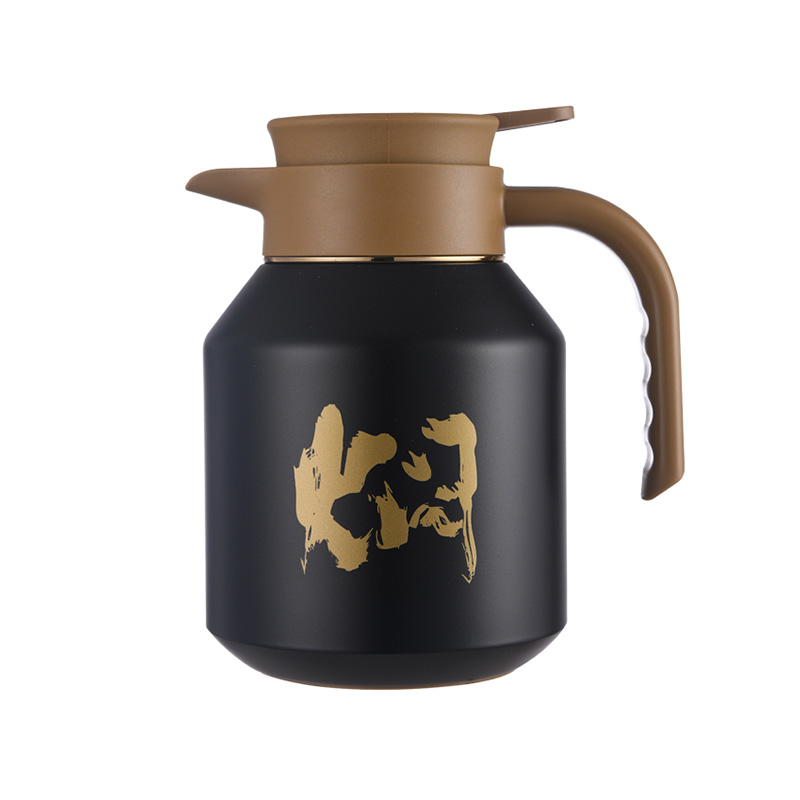
Odors in a Braised Teapot typically arise from leftover tea residues, moisture buildup, or exposure to strong-smelling substances. Tea leaves release oils naturally during steeping, and if these oils are not completely rinsed, they can develop a stale smell over time. Additionally, if the teapot is stored while still damp, bacterial or mold growth may occur, producing unwanted odors. Environmental factors, such as storing the teapot near spices, food, or scented cleaning agents, can also contribute to an unusual taste or smell in brewed tea. Identifying these causes helps in implementing effective prevention strategies.
To prevent odors, regular cleaning of the Braised Teapot is essential. Immediately after each use, the teapot should be rinsed thoroughly with warm water, ensuring that all tea leaves and residues are removed. It is generally advised not to use harsh detergents or soaps, as these can leave chemical traces that affect the tea’s flavor. Instead, gentle scrubbing with a soft brush or rinsing multiple times with hot water is recommended. For teapots that are used frequently with strong teas, occasional soaking in warm water can help dissolve accumulated oils without damaging the material.
Proper drying and storage are equally important in preventing odors. After cleaning, the teapot should be allowed to air dry completely, ideally with the lid removed to promote airflow. Storing the teapot in a dry, well-ventilated area away from food or strong-smelling substances reduces the risk of contamination. Some tea enthusiasts also recommend dedicating a Braised Teapot to a single type of tea, which reduces the possibility of mixed flavors and lingering smells. These practices help maintain the teapot’s natural ability to preserve tea purity.
Beyond everyday cleaning, routine maintenance can further protect the teapot from odors. Inspecting the interior for any discoloration or unusual smells allows early intervention before the issue worsens. Periodically, the teapot can be gently boiled in water to refresh its internal surface, removing stubborn residues while enhancing the teapot’s seasoning over time. Seasonal care, such as thorough cleaning before long periods of storage, ensures that the teapot remains odor-free and ready for the next brewing session.
Maintaining a Braised Teapot without unpleasant odors requires consistent attention to cleaning, drying, and storage practices. By addressing the root causes of odors and implementing preventive measures, tea enthusiasts can enjoy a fresh and authentic flavor in every brew. Proper care not only extends the lifespan of the teapot but also enhances the overall tea-drinking experience, making it a reliable companion for both casual and dedicated tea lovers.
Your email address will not be published. Required fields are marked *



 +86-579-87217855
 ykdc@dingchuncup.com
 +86-579-87217600
 No.169 Yingbin Avenue, Industrial function zone, Xiangzhu Town, Yongkang Zhejiang, China.
OEM Thermos Mugs Manufacturer
 English
 Español
 عربى
عربى